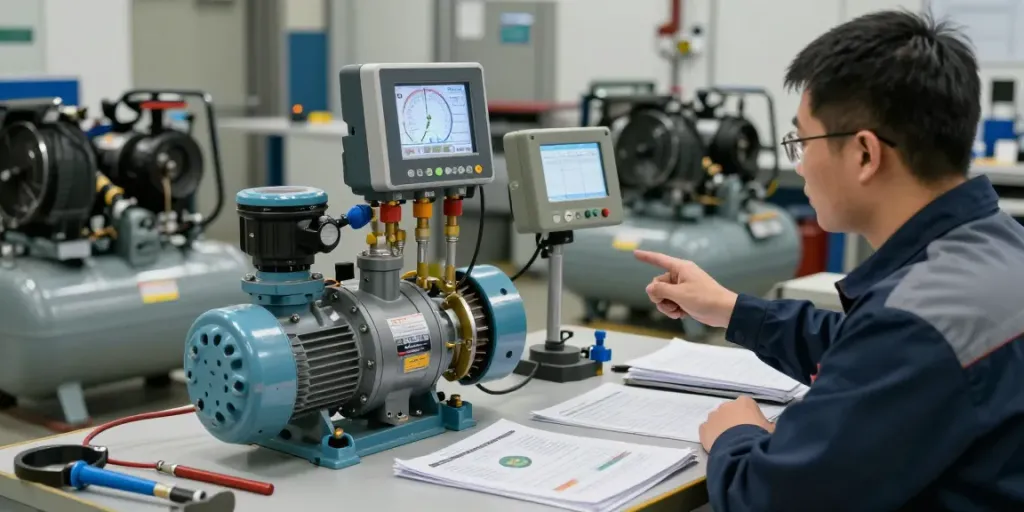
Introduction to Water Pump Pressure Switches
Water pump pressure switches are integral components in various applications, ensuring that water systems operate efficiently and reliably. These switches serve a critical role in managing water pressure, automating the on and off functions of pumps, and safeguarding infrastructure against damage. This article delves into the intricacies of water pump pressure switches, their functions, applications, maintenance considerations, and future trends in the industry. When exploring options, water pump pressure switch models from trusted manufacturers can provide comprehensive solutions tailored to specific needs, whether for residential or commercial applications.
What is a Water Pump Pressure Switch?
A water pump pressure switch is an automatic device designed to control the operation of a water pump based on the amount of pressure in the water system. When the pressure falls below a predefined threshold, the switch activates the pump to restore the pressure. Conversely, when the desired pressure is reached, the switch deactivates the pump, preventing overpressure and pump damage. This functionality is crucial in various sectors, including agriculture, irrigation, and domestic water supply systems.
How Does a Pressure Switch Work?
The operation of a pressure switch is fundamentally straightforward. Inside the switch, a diaphragm responds to pressure changes in the water system. When water pressure drops below the switch's pre-set cut-on pressure, the diaphragm triggers an electrical circuit that starts the pump. Once the pressure rises to the cut-off level, the diaphragm moves back, breaking the circuit and stopping the pump. This on-off cycling ensures optimal water delivery and prevents the pump from running dry, which could lead to mechanical failure.
Importance in Water Systems
Using a pressure switch is paramount for maintaining water systems' efficiency and performance. By automating pump control, these switches prevent fluctuations in water pressure that could impact service delivery in residential and commercial contexts. They also help reduce energy consumption by ensuring that the pump operates only when necessary, contributing to cost savings and environmental sustainability.
Applications of Water Pump Pressure Switches
Domestic Water Systems
In residential setups, pressure switches are often installed in well water systems, booster pump applications, and irrigation systems. They ensure consistent water pressure throughout households, allowing for efficient operation of showers, faucets, and irrigation systems. Homeowners benefit from the comfort of regulated water pressure, which enhances their overall experience with water fixtures.
Agricultural Water Management
In agricultural settings, water pump pressure switches play a vital role in irrigation systems. They help regulate water distribution to crops, ensuring that each section receives the appropriate amount of water. This precision not only improves crop yield but also conserves water, aligning with modern sustainable farming practices. Additionally, switches equipped with dry-run protection feature help safeguard pumps from operating without water, which can lead to costly damages.
Industrial and Commercial Uses
Industries and commercial entities rely on high-performance water pump pressure switches to manage large-scale water systems effectively. These switches are essential in factories, manufacturing plants, and large commercial buildings, where consistent water pressure is needed for various processes. With advanced features like adjustable differential settings, these switches provide flexibility and enhanced performance tailored to complex systems.
Choosing the Right Water Pump Pressure Switch
Understanding Specifications and Compatibility
Selecting the right water pump pressure switch involves understanding the specifications of your existing pump system. Key factors include the pump’s horsepower, the required pressure ranges, and compatibility with existing electrical systems. It is essential to choose a switch that can handle the electrical load and pressure cycles typical of the pump it will control. High-quality switches like those offered by Lefoo provide broad compatibility, making them ideal for various applications.
Factors Influencing Performance and Lifespan
The longevity and reliability of a pressure switch are influenced by several factors, including material quality, design, and usage conditions. Industrial-grade switches are designed to withstand harsh environments, ensuring they operate well over millions of cycles. Features like robust diaphragms and precise calibration contribute to minimizing failures and enhancing performance, making it imperative to choose well-engineered options.
Common Mistakes to Avoid When Selecting
- Ignoring Load Requirements: Ensure the switch can handle the pump's electrical load.
- Overlooking Compatibility: Verify that the switch matches the pressure and functional needs of your system.
- Neglecting Quality: Select reputable brands known for durability and reliability.
Maintenance and Troubleshooting
Signs of a Failing Pressure Switch
Identifying a failing pressure switch early can save significant time, money, and effort. Common signs include:
- Inconsistent water pressure throughout the system.
- The pump runs continuously without stopping.
- Frequent tripping or failure to start.
Step-by-Step Troubleshooting Guide
- Check power supply to the switch to ensure it is receiving electricity.
- Inspect the switch settings to ensure they align with the system requirements.
- Test the diaphragm for movement; if it is stuck, the switch may need replacement.
- Assess the pump operation and connectors for tightness and integrity.
Best Practices for Maintenance
To extend the lifespan of your water pump pressure switch, consider the following maintenance practices:
- Regularly inspect the switch and connections for wear and tear.
- Keep the installation area clean and dry to prevent corrosion.
- Calibrate the switch settings based on seasonal changes in water demand.
Future Trends and Innovations
Technological Advancements in Pressure Switch Design
The future of water pump pressure switches looks promising, with advancements geared towards increased automation and connectivity. Features such as IoT integration will allow for real-time monitoring and remote adjustments, enhancing user convenience and operational efficiency. Additionally, developing smart sensors capable of predictive maintenance will minimize downtime and extend switch lifespan.
Emerging Market Demands and Solutions
As populations grow and water resources become scarcer, the demand for efficient water management solutions will continue to escalate. Pressure switches that offer energy-efficient operations and support sustainable practices will find greater relevance in both residential and commercial markets. Manufacturers are likely to respond with innovative products that can adapt to various environmental conditions and consumer needs.
Forecast for Water Pump Pressure Switches in 2026
By 2026, the market for water pump pressure switches is expected to grow significantly, driven by innovations and increased demand in various sectors. Anticipated developments include enhanced functionalities, improved energy efficiency, and greater integration with digital technologies that facilitate seamless operation within larger systems. As a result, businesses that invest in high-quality pressure switches will gain a competitive edge and build lasting relationships with customers.
What are the signs of a failing water pump pressure switch?
Common indicators include erratic water pressure, a pump that runs continuously, or failure to start. Regular inspections can help detect these issues early.
How can I reset a water pump pressure switch?
To reset a pressure switch, locate the reset button, if available, and press it. For mechanical models, you may need to adjust the pressure settings or disconnect and reconnect power.
What pressure switch should I use for my well pump?
The choice of pressure switch for a well pump depends on its specific flow and pressure requirements. Common configurations include 30/50 psi and 40/60 psi switches, but always refer to manufacturer specifications for the best match.
How do I adjust the water pump pressure control switch?
Adjustments can be made using the nuts on the pressure switch. Generally, turning the adjustment screw clockwise increases the cut-off pressure and counterclockwise decreases it. Consult your switch’s manual for precise instructions.
What is the difference between 30/50 and 40/60 pressure switches?
The numbers represent the pressure settings where the pump turns on and off. A 30/50 switch will activate at 30 psi and deactivate at 50 psi, while a 40/60 switch will activate at 40 psi and deactivate at 60 psi, allowing for different operational ranges depending on the application needs.