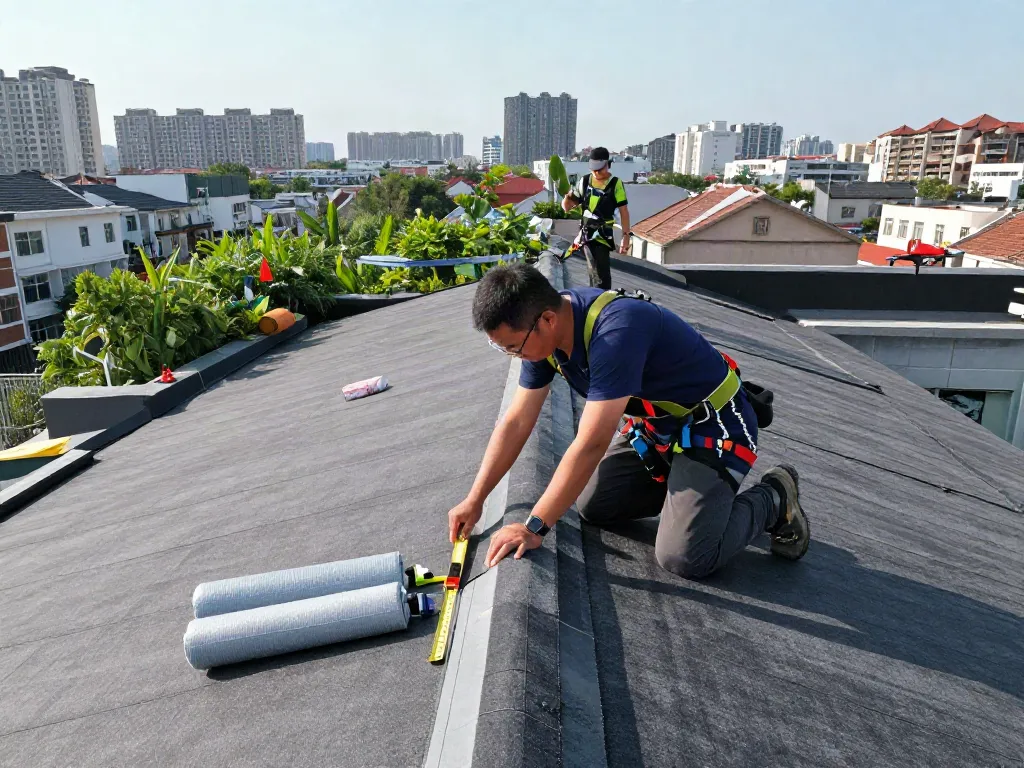
Understanding Felt Roof Replacement
Felt roofing is a highly effective and economical choice for flat roofs, commonly used in garages, extensions, and various outbuildings throughout the UK. However, over time, these roofs can suffer from wear and tear, leading homeowners to consider felt roof replacement. This process involves removing the old felt, inspecting the underlying structure for damage, and installing new felt to ensure long-lasting performance. Choosing the right specialists for this task is crucial, as the quality of installation directly affects the roof's durability and functionality. When exploring options, felt roof replacement provides comprehensive insights into finding the best local contractors.
What is Felt Roofing?
Felt roofing consists of multiple layers of bitumen-coated felt, which is adhered to a flat surface. This method of roofing has evolved significantly over the years from its early applications, which often utilized basic bitumen felt. Modern felt roofing systems typically involve the application of multiple layers, enhancing its durability and water resistance. These roofs are designed to shed water effectively, maintaining a dry interior even during heavy rain or snow.
Benefits of Using Felt for Roofing
- Cost-Effective: Felt roofing is generally more affordable than other roofing materials, making it an attractive option for homeowners on a budget.
- Easy to Install: The installation process is relatively straightforward, allowing for quick application and reducing labor costs.
- Durability: When properly installed, felt roofs can last up to 20 years or more, depending on environmental conditions and maintenance.
- Weather Resistance: Modern felt roofing systems are designed to withstand a range of weather conditions, including intense sunlight and heavy rain.
Common Applications of Felt Roofs
Felt roofs are versatile and can be used in various applications, including:
- Garages
- Home extensions
- Flat roofs of commercial buildings
- Garden sheds and outbuildings
- Porches and balconies
Recognizing Signs You Need a Replacement
Identifying when your felt roof needs replacement is critical for maintaining structural integrity and preventing severe water damage. Here are some common indicators that suggest it's time for a replacement.
Identifying Damage to Your Felt Roof
Look out for visible signs of damage, such as cracks, blisters, or tears in the felt material. Additionally, check for water pooling on the surface, which can indicate inadequate drainage or poor workmanship. If you notice any leaks inside your building, that’s a significant warning sign that your roof needs immediate attention.
When to Repair vs. Replace Your Roof
Deciding between repair and replacement often depends on the extent of the damage. If the roofing material has localized issues, such as small cracks or punctures, repairs may suffice. However, if the felt roof is old, has extensive damage, or numerous weak spots, replacement is usually the more cost-effective long-term solution.
Common Myths About Felt Roof Lifespans
There are several myths surrounding the lifespan of felt roofs. Some believe that all felt roofs are short-lived, but with proper maintenance and quality installation, many roofs can last for decades. It's essential to understand that environmental factors, such as sun exposure and local weather patterns, can greatly influence the longevity of your felt roof.
The Felt Roof Replacement Process
Replacing a felt roof involves a series of well-defined steps to ensure the new installation is secure and effective. Proper preparation is key to a successful outcome.
Preparation Steps Before Replacement
Before starting the replacement, it's important to prepare the area. This includes removing any existing furniture or fixtures that may obstruct the work and ensuring the roof can be safely accessed. Additionally, a complete inspection of the roof deck will help identify any underlying issues that need to be addressed before new felt is applied.
Choosing the Right Materials for Your Replacement
When selecting materials for felt roofing, consider factors such as thickness, waterproofing capabilities, and compatibility with existing structures. High-quality felt materials often come with warranties, providing peace of mind regarding their durability and performance.
Step-by-Step Guide to Replacing Your Felt Roof
- Remove the existing felt: Strip away the old felt roofing, taking care not to damage the underlying deck.
- Inspect the deck: Check for any rot or damage and replace any compromised decking material.
- Apply an underlay: Lay down a breathable underlay to enhance moisture management.
- Install the new felt: Begin at the lowest point of the roof and work your way up, overlapping each layer to prevent water ingress.
- Seal the edges: Ensure all seams and edges are properly sealed to prevent leaks.
- Final inspection: Conduct a thorough check of the installation to ensure everything is secure and watertight.
Finding Trusted Contractors for Your Felt Roof Replacement
Choosing a reliable contractor is essential for ensuring the quality of your felt roof replacement. The right specialist will not only provide a proper installation but will also guide you through the process.
What to Look for in a Roofing Specialist
When searching for a roofing specialist, consider their experience, customer reviews, and whether they have adequate insurance and relevant certifications. A contractor with a solid reputation in your area is more likely to provide the quality service you need.
Questions to Ask Potential Roofers
Before hiring any contractor, ask them about their previous projects, warranty offerings, and whether they use subcontractors. Also, inquire about their methodology for assessing whether to repair or replace a roof, as this will give you insight into their expertise.
Comparing Quotes Effectively
When you receive quotes from multiple contractors, take the time to compare not just the prices but also the details of what is included in each quote. The cheapest option may not always be the best; look for value in the warranties, materials proposed, and the contractor's reputation.
Long-Term Maintenance for Your Felt Roof
Once your felt roof is replaced, ongoing maintenance is crucial to prolonging its lifespan and performance. Regular inspections can help catch any issues before they escalate into significant problems.
Regular Inspection and Maintenance Tips
- Inspect your roof at least twice a year and after severe weather events.
- Clear debris from the surface to prevent water pooling.
- Check for and repair any cracks or blisters as soon as they appear.
Signs of Wear and Tear to Monitor
Keep an eye out for any sagging areas, persistent leaks, or noticeable discoloration on your roof. If you notice any of these signs, it may indicate a need for repairs or a professional assessment.
Future-Proofing Your Roofing Investment
To ensure your felt roof remains in good condition over the years, consider investing in additional features such as insulation or protective coatings. These can enhance energy efficiency and extend the lifespan of your roof, making it a worthwhile investment.
Can I refelt a roof myself?
While some homeowners may consider DIY felt roofing projects, the complexity and safety requirements typically make it advisable to hire a professional. Skilled roofers bring the necessary expertise and tools to ensure the job is done correctly.
What is the life expectancy of a felt roof?
On average, a well-maintained felt roof can last between 10 to 20 years. Factors such as environmental conditions and installation quality significantly influence this lifespan.
Should you remove old felt when replacing a roof?
Yes, it is generally recommended to remove the old felt before installing a new roof to ensure proper adhesion and to assess the underlying structure.
Can you put new felt on top of old felt?
While it's possible to install new felt on top of old felt, this practice is not usually recommended. It can hinder proper drainage and may lead to future complications.
What is the average cost of felt roof replacement?
The cost for felt roof replacement varies widely based on factors like roof size, material quality, and labor costs, but homeowners can expect to spend anywhere from £1,500 to £5,000 for most residential projects.