
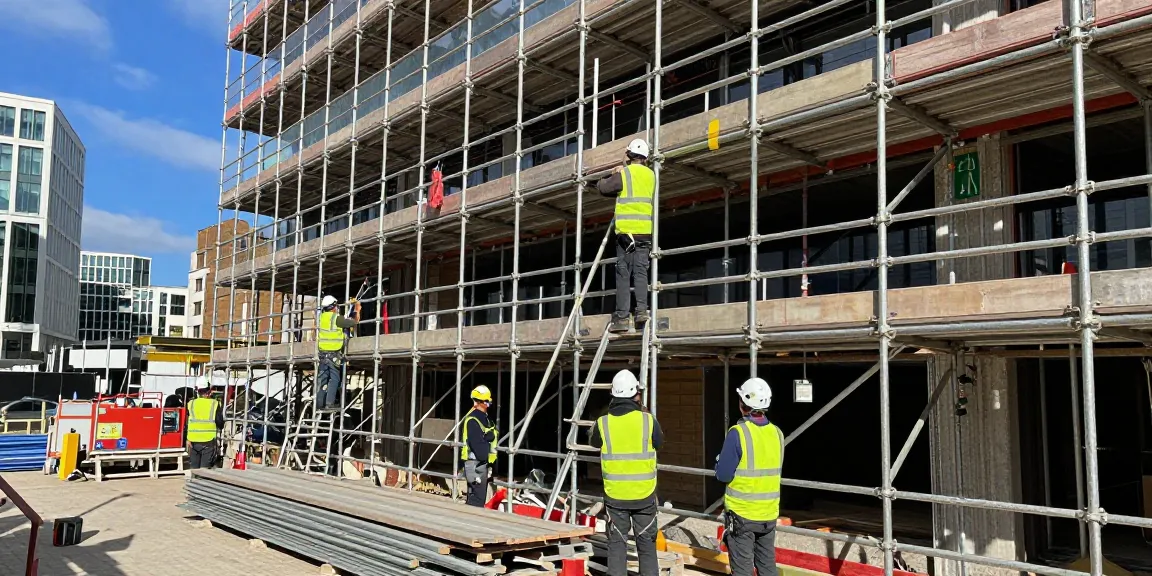
Understanding Commercial Scaffolding
In the realm of construction, commercial scaffolding plays a pivotal role in ensuring safe and efficient building practices. This specialized service provides temporary structures that support work crews and materials during construction, maintenance, or repair tasks on larger commercial buildings. With growing urbanization and the increasing complexity of commercial projects, understanding the nuances of commercial scaffolding is more vital than ever.
What is Commercial Scaffolding?
Commercial scaffolding refers to the system of temporary structures designed to support construction workers and materials in projects that involve commercial buildings such as offices, retail spaces, and warehouses. This type of scaffolding is essential for ensuring safety and accessibility at various heights during construction or renovation tasks. Unlike residential scaffolding, which may be used for smaller scale projects, commercial scaffolding must conform to different regulations and safety standards due to the complexity and scale of the work involved.
Key Types of Commercial Scaffolding Systems
There are several types of scaffolding systems commonly used in commercial projects, each designed to meet specific needs:
- Frame Scaffolding: This is the most common type, providing flexibility and ease of assembly. It consists of a framework made of vertical posts and horizontal frames.
- Suspended Scaffolding: Typically used for high-rise buildings, this system hangs from the roofline and can be adjusted to reach different heights as required.
- Mobile Scaffolding: Equipped with wheels, mobile scaffolding allows for easy transportation across job sites, making it suitable for projects requiring frequent relocation.
- System Scaffolding: Composed of modular components, system scaffolding is highly adaptable for various configurations and is ideal for unique architectural designs.
Benefits of Professional Scaffolding Services
Engaging professional scaffolding services offers numerous advantages that can enhance project efficiency and safety:
- Expertise and Compliance: Professionals ensure that all scaffolding meets safety regulations and standards, minimizing the risk of accidents.
- Risk Management: By having trained personnel erect and dismantle scaffolding, the likelihood of errors and associated liabilities is reduced.
- Efficiency: Specialists utilize the best practices and techniques to expedite the scaffolding process, allowing the main construction project to proceed without delay.
- Tailored Solutions: Professional services offer custom scaffolding designs that fit the unique needs and specifications of each commercial project.
Planning Your Commercial Scaffolding Project
Effective planning is crucial when embarking on a commercial scaffolding project. Consideration of various factors can streamline the process and ensure compliance with local regulations.
Assessing Your Project Needs
Begin by evaluating the specific requirements of your project. This involves understanding the height of the building, the type of work to be performed, and the materials that will be utilized. Assessing these factors will help determine the most suitable scaffolding system.
Obtaining Necessary Scaffolding Permits
Before scaffolding can be installed, it’s essential to secure the necessary permits. Requirements vary by locality, and failing to obtain the proper permissions can lead to project delays or legal disputes.
Developing a Project Timeline and Budget
Outline a comprehensive timeline that incorporates all stages of the scaffolding process—from planning and permits to installation and removal. Additionally, creating a budget that includes both scaffolding services and associated costs will help maintain financial control throughout the project.
Scaffolding Services Overview
With a clear plan in place, the next step involves understanding the range of scaffolding services available.
Scaffolding Erection and Dismantling Processes
Scaffolding erection can be a complex process that involves careful planning and execution. Professional scaffolding teams employ systematic approaches to erect scaffolding safely and efficiently. Similarly, dismantling requires a methodical plan to ensure that all components are removed safely without endangering workers or the surrounding area.
Construction Edge Protection and Safety Measures
Edge protection is vital in commercial scaffolding projects, especially when working at heights. Safety measures such as guardrails, toeboards, and safety netting are essential components to prevent accidents and ensure a secure working environment.
Chimney Access Platforms: Importance and Use
Chimney access platforms are specialized scaffolding solutions designed to facilitate safe access for maintenance or repair work on chimneys. These platforms must be robust and stable, providing a secure working area to avoid potential hazards.
Challenges in Commercial Scaffolding
While scaffolding is a critical component of many commercial construction projects, it does come with its challenges that require careful management.
Common Obstacles in Installation and Compliance
Installation challenges can arise from site-specific conditions such as uneven surfaces or limited access points. Additionally, compliance with local building codes and safety regulations can be complex and necessitate thorough knowledge and experience.
Mitigating Risks on Construction Sites
Construction sites are inherently risky environments. To mitigate risks, it is paramount to conduct regular safety inspections and training sessions for workers to ensure they understand proper scaffold use and emergency procedures.
Addressing Misconceptions about Scaffolding Services
There are various misconceptions about commercial scaffolding, such as the belief that it is unnecessary for smaller projects or that it compromises site safety. Addressing these misunderstandings through education can facilitate better planning and implementation of scaffolding solutions.
Future Trends in Scaffolding Industry
The scaffolding industry is continuously evolving to meet the demands of modern construction practices. Here are some key trends to watch in the coming years.
Technological Advancements to Watch in 2026
As technology progresses, advancements such as drone inspections and augmented reality for design and planning are expected to revolutionize the way scaffolding is implemented, enhancing safety and efficiency.
Sustainable Practices in Scaffolding
With growing environmental concerns, more scaffolding providers are adopting sustainable practices. This includes using recyclable materials and developing systems that minimize waste during the construction process.
The Role of Scaffolding in Urban Development
As urban areas continue to expand, scaffolding will play a crucial role in facilitating high-rise construction and complex renovation projects, ensuring that workers can safely access all areas of towering structures.
What are the advantages of choosing commercial scaffolding?
Choosing commercial scaffolding offers significant benefits such as enhanced safety, tailored solutions for specific projects, and compliance with industry regulations, ultimately contributing to project success.
How do I obtain scaffolding permits for my project?
To obtain scaffolding permits, you will need to submit detailed plans to your local building authority, demonstrating compliance with safety standards and regulations applicable to your specific project site.
What safety measures are involved in commercial scaffolding?
Safety measures for commercial scaffolding include regular inspections, the use of personal protective equipment, and training for workers on safety protocols and scaffold use.
How does scaffolding impact construction timelines?
Proper scaffolding can significantly impact construction timelines by enabling workers to efficiently access areas under construction. However, delays in permitting or poor scaffolding setup can lead to scheduling setbacks.
What innovations are shaping the future of scaffolding?
Innovations such as modular scaffolding systems, enhanced materials for lightweight yet durable structures, and advanced safety technologies are set to shape the future of commercial scaffolding.